
Sign in
What Affects Ice Output? Room Temp, Water Temp, Ventilation (Hoshizaki Tips)
December 06, 2025
44
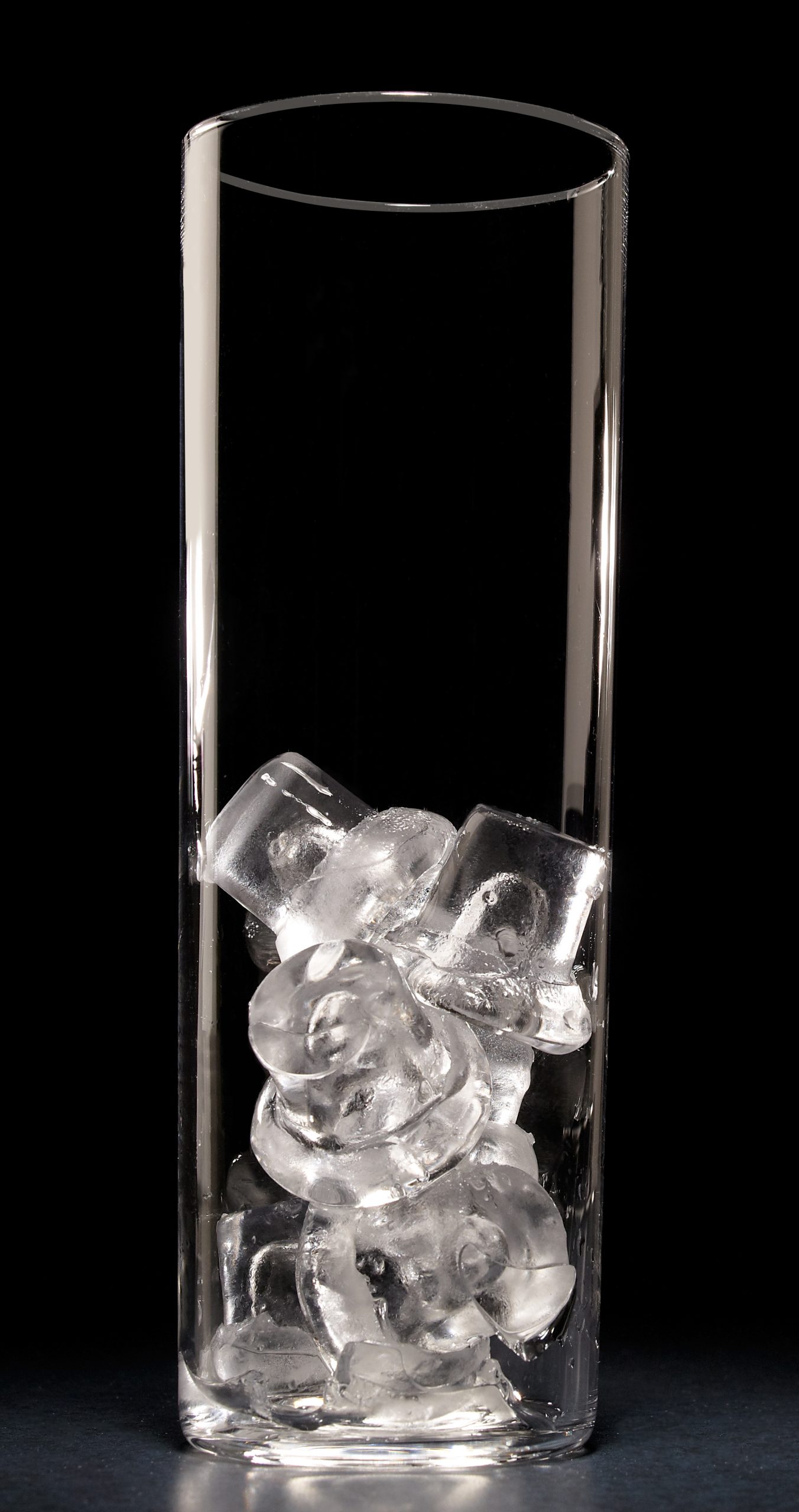
Ice production changes based on how warm the room is, how cold the water supply runs, and also airflow around the unit - Hoshizaki points this out
Knowing how room temp, water warmth, or airflow impact ice helps things run smoothly. Too much heat, weak air movement, or a shaky water supply might slash ice made in no time.
These Hoshizaki hints keep your ice maker working right when you need it most. They also make sure you get a steady ice flow under pressure.
Who It’s For
This guide works for folks running restaurants, bars, or cafés - also good for corner stores, clinics, or any spot that needs a steady supply of ice from a big machine.
Whether you operate a Hoshizaki cubelet dispenser or a high-volume modular system, understanding these factors helps maintain steady production and consistent ice quality.
Key Factors That Affect Ice Output
Room temperature
When it's warm inside, ice makers struggle more. With each 10°F jump in heat, production might fall around 10–15%, thanks to extra strain.
When you can, keep your equipment in a spot that stays cool with good airflow - this helps maintain output.
Moisture alert: Too much dampness might delay ice formation. But proper air movement keeps things running steady.
Water temperature
Incoming water that's cooler helps freeze faster, so you get more ice each day. When the water’s warm, it takes longer to turn into ice, which means less comes out overall.
Filtration keeps water steady, yet makes ice clearer and better tasting.
Ventilation and airflow
Air-cooled ice makers need space to breathe. If vents get clogged or they’re shoved too close to walls, things heat up fast - output drops while stress on parts goes up.
Keep appliances away from ovens, dishwashers, or spots hit by the sun. When it's stuffy or cramped, a remote condenser might boost efficiency.
Energy efficiency impact
Hot rooms or warm water make systems run longer, using more power. Instead, pick efficient units with outdoor compressors - they keep performance steady while saving on bills.
Filtration yet scale prevention
Mineral deposits clog parts, making cooling less efficient while slowing down ice creation. Clean it often or swap filters early - keeps performance steady, plus adds years to the unit.
Water quality
Hard or unfiltered water causes scaling, which slows down freezing. Using a filter - or switching to softened water - helps maintain steady output while making ice taste better.
Sizing and Production Planning
Estimate daily demand
When it's hot, on vacation days, or busy times, people usually want more ice - up to 30%, sometimes just 10% extra.
- Restaurants: around 1.5 to 2 pounds for each person
- Bars: as much as 3 pounds for each spot
- Cafés or tea spots: around 0.8 to 1.5 pounds for each drink
Multiply typical use by 1.3 - this covers warmer months. If you want accuracy, try the ice maker size tool instead.
Get ready for the busy times of the year
Hot weather brings more people on vacation, so the need grows. To keep up, a few companies install extra units for now or boost bin space instead.
Pair each container with its holding limit
If the container gets full fast, the system stops - even when the need stays strong. Boosting storage space usually works better than making the unit bigger.
Ice storage considerations
Store ice in insulated containers while keeping it in a spot that’s both cool and dry - this stops it from turning to water or soaking up weird smells.
Maintenance Tips
Clean your Hoshizaki ice machine every couple of months - use a sanitizer each time. Swap out filters when due, or minerals will pile up along with gunk.
Fresh-tasting ice needs regular care - this also keeps production steady while making machines last longer. Need help? Check out the support section online.
Installation Notes
Maintain proper clearance
Make sure there’s enough room near airflow openings so things don’t get too hot. Using a separate condenser helps machines run better while keeping kitchen sounds lower.
Keep an eye on how fast the water moves, along with its warmth
Keep the water coming in at a temp that helps it freeze well.
Remote condenser placement
Put outdoor units in cool spots with good airflow - this helps them run smoothly. Clean the coils now and then so they don't slow down.
Boost your ice output now!
Get a fast quote and delivery date—start with our ice machines or message us via our contact page.
What Affects Ice Output? Room Temp, Water Temp, Ventilation (Hoshizaki Tips)
Intro
Knowing what affects ice output? room temp, water temp, ventilation (Hoshizaki tips) are essential for reliable service. High temperatures, poor airflow, or inconsistent water supply can quickly reduce production. These tips ensure your Hoshizaki ice maker runs efficiently and produces consistent ice during peak demand.
Who It’s For
This guide is for restaurant owners, bar managers, cafés owners, convenience store operators, healthcare providers, and those who regularly use a commercial ice machine. Whether you're considering a Hoshizaki cubelet dispenser or other models, these insights help you maintain consistent output and quality.
Key Factors Affecting Ice Output
Room Temperature
Warm ambient conditions make machines work harder. For every 10°F increase, output can drop 10–15%. Place your machine in a well-ventilated, cooler area when possible.
Humidity: High humidity can slow freezing cycles. Ensure proper airflow and ventilation to maintain consistent ice output.
Water Temperature
Ice quality and output are directly linked to water temperature. Warmer water slows freezing cycles, reducing production. Installing a water filter can stabilize the temperature and improve ice taste.
Ventilation
Air-cooled machines need clear space around vents to prevent overheating. Insufficient airflow reduces ice output and can strain the machine. Remote condensers help in hot or enclosed spaces.
Machine location also affects ventilation. Placing the unit near ovens, dishwashers, or direct sunlight increases heat and lowers production. Keep your ice maker in a cool, well-ventilated area for best results.
Energy Efficiency
Machines work harder in warm rooms or when incoming water is too warm, which increases energy use. Consider energy-efficient models or remote condensers to maintain output without raising costs.
Filtration and Scale Prevention
Sediment and scale buildup diminish efficiency and ice quality. Regular filter cartridge replacement and routine cleaning help reduce scale buildup, protect the system, and maintain consistent output.
Water Quality
Water quality directly impacts ice output and taste. Hard water causes scale that slows production. Use proper filtration or a water softener to keep the machine efficient.
Quick Troubleshooting
| Issue | Possible Cause | Quick Fix |
|---|---|---|
| Low ice output | High room temperature | Move the machine to a cooler area or add a fan |
| Slow freezing | Warm water | Check the water source or add a filter |
| The machine stops unexpectedly | Bin full | Increase storage or clear the bin |
| Airflow obstruction | Clogged air filter or vent blockage | Clean the air filter or remove any obstructions around the vents. |
| Compressor not working | Possible compressor failure | Schedule a technician to inspect and repair the compressor. |
✔ Best For: Operators who maintain proper ventilation, monitor room and water temperature, and follow regular cleaning schedules.
✘ Avoid: Placing machines in hot, enclosed spaces, failing to filter water, or skipping routine maintenance checks.
Sizing and Production Planning
Estimate Daily Demand
Tip: During summer, holidays, or peak hours, ice demand can increase 10–30%. Consider this when selecting machine capacity to avoid shortages.
Calculate anticipated ice usage based on peak service hours. Typical guidelines:
- Restaurants: 1.5–2 lbs per guest
- Bars: 3 lbs per seat
- Cafés/tea shops: 0.8–1.5 lbs per drink
Multiply by 1.3 to account for hot days or seasonal spikes. Use our ice machine size calculator for precision.
Example:
A café serves 100 drinks/day:
100 drinks × 1 lb = 100 lbs/day
100 × 1.3 (seasonal buffer) = 130 lbs/day
→ Select a machine producing 140–150 lbs/day to ensure reliable output even in summer heat.
Ice Type Note: Different ice shapes (cubelet, crescent, flaked) freeze at different rates and require different storage. Keep this in mind when planning output for peak demand.
Handling Seasonal Spikes
Ice demand rises during summer and holidays —plan by increasing capacity or renting an extra machine to avoid shortages.
Bin Capacity
Machine output must align with bin storage. Producing more ice than the bin can hold causes machine cycles to stop prematurely, lowering efficiency. Upgrading the bin is often simpler than oversizing the machine.
Ice Storage and Preservation
Store ice in a cool, dry, ventilated bin to prevent melting or odor absorption. Insulated bins help maintain ice quality during peak hours.
Environmental Considerations
Energy Star and water-saving models reduce utility costs and environmental impact. Choose efficient units to save in the long term.
Maintenance Tips
Clean and sanitize your Hoshizaki ice maker every 60–90 days. Replace filter cartridges on schedule to prevent scale and sediment. Proper upkeep helps improve ice taste, maintain output, and extend equipment life. For detailed guidance, visit our service page.
Installation Notes
Ensure Adequate Clearance
Maintain space around air vents to prevent overheating. Remote condensers can improve quiet operation and production in hot or crowded kitchens.
Monitor Water Flow and Temperature
Check that the incoming water remains within the optimal temperature range. Cooler, consistent water improves freezing efficiency and ice quality.
Proper Setup and Maintenance of Remote Condensers
Install remote condensers in shaded, cool areas and keep coils clean. Proper insulation and regular maintenance prevent overheating and ensure steady production.
Optimize your ice production today!
Check out the full range of our ice machines, request a quote, or message us directly through our contact page to ensure your operation runs all year round.
Featured Product
Recent Posts

Login and Registration Form