
Sign in
Remote Cooled Ice Machines
-
February 24, 2026 4
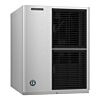
Thinking about noise, warmth, and how guests feel inside a space? That’s where off-site Hoshizaki units start making sense. Sure, the initial price tag climbs higher compared to standard models - but pulling the noisy, hot components outside shifts the whole dynamic. Heat stays out of dining rooms. Humidity dips lower. People relax more easily without that constant mechanical hum buzzing in the background. These machines aren’t built into the walls or tucked under counters - they live apart, doing their job remotely. Which means kitchens stay cooler during rush hours, staff don’t fight rising temperatures, and patrons barely notice the system exists. It fades into silence. Ice still appears, clean and steady, while stress around maintenance drops. Fewer breakdowns. Less fuss. For places serving food, lodging travelers, or handling big crowds, every detail counts - not just output volume. How smoothly things run often weighs more heavily than raw numbers on paper. Comfort
-
February 13, 2026 10
Understanding the basics of remote condenser piping for Hoshizaki systems is crucial when installing or upgrading a remote-style commercial ice machine. These systems move heat outdoors, which lowers indoor temperatures, improves efficiency, and extends the lifespan of the equipment.
When installed correctly, remote condenser setups provide significant long-term benefits, lower operating costs, and a better return on investment. However, incorrect installation can lead to poor ice production, frequent service calls, and early component failure. This guide explains what installers should watch for, how to install piping correctly, and where common mistakes happen.
Key Piping Requirements
Line length and elevation limits
Hoshizaki sets maximum refrigerant line lengths and allowable height differences between the ice machine and the remote condenser.
-
December 07, 2025 43
A good start matters for every Hoshizaki unit - hitting each step on the install list for electricity, water flow, spacing, or airflow means it runs strong right away.
Many setup troubles happen because of small mistakes - like wrong power source, blocked air movement, or bad water runoff. When these pop up, output drops, machines get louder, and also trigger repairs sooner. Here’s a no-jargon walkthrough using plain terms anyone can follow, helping your business ice maker work right without hiccups.
Who It’s For
This piece works for eateries, coffee spots, pubs, lodgings - any spot setting up or swapping out a heavy-duty ice maker.
When picking an undercounter model, a modular setup, or one with a remote condenser, this list keeps you from typical errors. Really handy when looking at units such as Hoshizaki
-
November 28, 2025 35
Opting for a remote condenser instead of a built-in unit changes how much you spend upfront, where the heat goes, sound levels, and how well it lasts. Get it wrong, then expect issues like too much heat, noisy running, and even paying more to fix bad setups down the line. Here’s a straightforward look at each type - helps you choose what actually fits your spot.
Who It's For
This piece is aimed at workers, builders, or people starting out who need straightforward info on how different condensers work in real situations. When fixing up an old system or setting up a new spot from the ground, this breakdown shows what’s needed, keeps issues away, and helps you set things up without doubt. While checking models, look into the Hoshizaki KM Edge line - or niche picks such as flake
Featured Product
Recent Posts



Login and Registration Form