
Sign in
Cost of Ownership: Hoshizaki Maintenance, Filters, and Energy
December 13, 2025
36
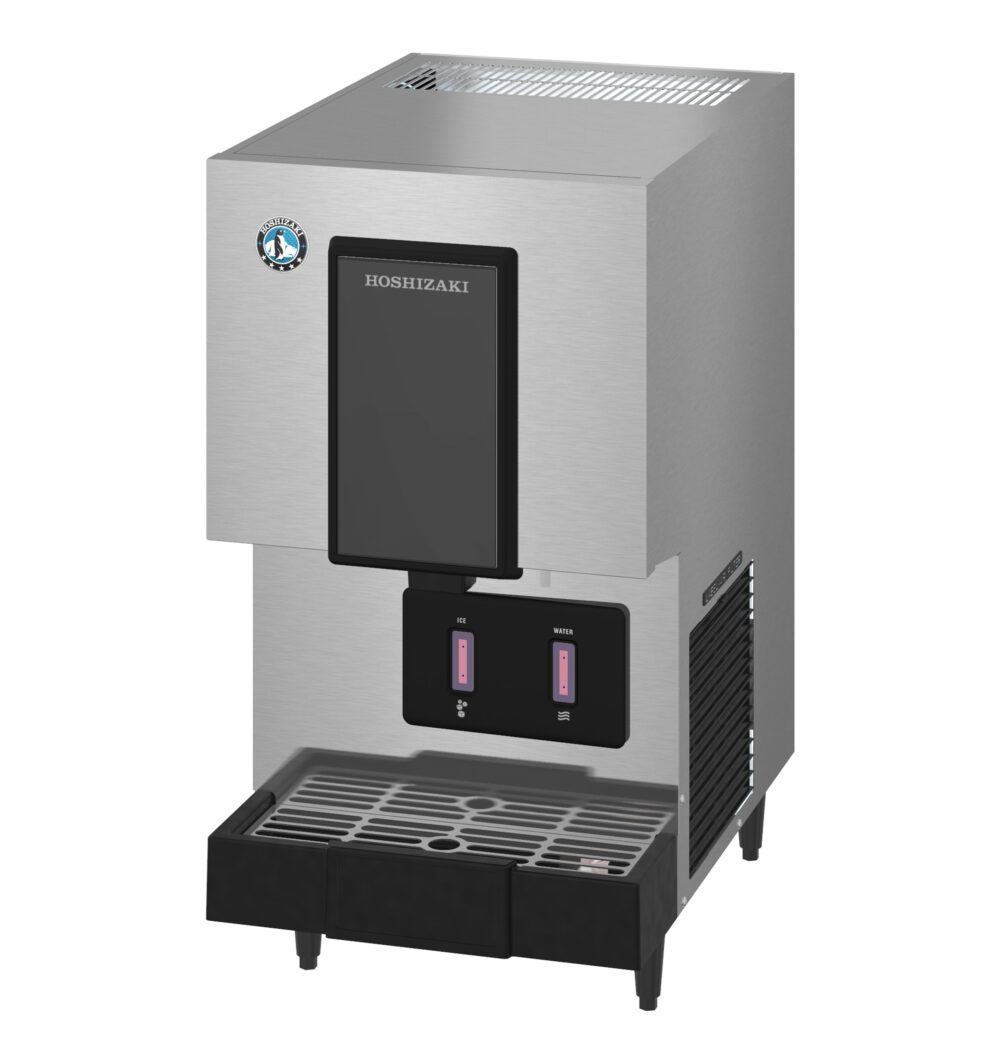
Understanding the cost of ownership for Hoshizaki maintenance, filters, and energy is crucial for any business investing in a commercial ice maker. The purchase price is just the beginning. The true value of a Hoshizaki machine shows itself over years of operation through energy savings, fewer service needs, and consistent ice quality.
This guide explains what to expect in the long run, how to manage operating costs, and how the right maintenance habits can significantly extend machine life while improving ice taste and reliability.
Who It’s For
This article is for restaurants, cafés, bars, hotels, healthcare facilities, and convenience stores that are planning to purchase or are already using a Hoshizaki ice maker. It’s especially useful for operators comparing daily operating costs, evaluating Energy Star Hoshizaki models, or planning water filter replacement schedules.
If you’re exploring equipment options, start with product families like the KM Edge crescent series, flakers, cubelet ice machines, or square cube units.
Key Considerations
Energy efficiency lowers long-term costs
Models listed as Energy Star Hoshizaki use less electricity and water, which lowers monthly utility bills. Over several years, these savings often surpass the extra cost of buying non-certified units.
Filtration protects internal components
Proper filtration reduces scale buildup, improves ice taste, and cuts down on repair needs. Filters prevent minerals and sediment from damaging the evaporator plate, making regular filter replacement one of the best cost-control habits.
Preventive maintenance extends service life
Routine care like descaling, sanitizing, and checking water flow prevents inefficiencies and eases compressor strain. Preventive maintenance helps avoid unexpected downtime and costly emergency repairs.
Installation environment impacts energy use
Machines in hot kitchens or tight spaces use more energy. Proper airflow and correct placement lower operating costs over time.
Model and Ice-Type Fit
Crescent ice for everyday efficiency
Crescent cubes from the KM Edge series are known for efficient freeze cycles and durable stainless-steel evaporators, which leads to lower maintenance and predictable operating costs.
Flake ice for prep and display
Flaker machines from the Hoshizaki flaker lineup need consistent filtration because fine mineral particles can build up quickly. However, their shorter freeze cycles often mean lower energy use.
Cubelet ice for beverage programs
Cubelet machines deliver soft, chewable ice but need regular cleaning to stay efficient. When well-maintained, they offer solid performance with manageable operating costs.
Square cube machines for premium service
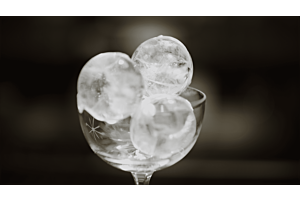
Units from the square cube collection create clear, slow-melting cubes. Their longer freeze cycles might slightly raise energy use, but proper filtration and sanitation keep ownership costs in check.
Sizing Math
Estimate daily consumption
General usage guidelines include:
• Restaurants: 1.5–2 lbs per guest
• Bars: up to 3 lbs per cocktail seat
• Cafés: 0.8–1.5 lbs per drink
For precise planning, use the Hoshizaki size calculator.
Match production to actual demand
Oversizing wastes energy, while undersizing forces the machine to run all the time. Proper sizing stabilizes efficiency and reduces long-term wear.
Plan for future growth
If expansion is likely, choosing a slightly larger capacity now can prevent expensive upgrades or additional machines later.
Installation Notes
Ventilation affects energy consumption
Low-energy ice makers work best with good airflow. Avoid placing units near ovens, fryers, or other heat sources that make the system work harder.
Water quality influences operating costs
Hard water speeds up scale buildup and increases cleaning frequency. Good filtration cuts down on service needs and helps maintain consistent ice quality.
Electrical readiness prevents inefficiency
Check voltage and amperage before installation. An incorrect electrical supply raises energy use and shortens component lifespan.
Maintenance
The most manageable part of your cost of ownership is maintenance. Regular descaling protects evaporator plates, timely filter changes preserve taste, and ongoing cleaning keeps production steady. For expert service or scheduled maintenance, visit our service page.
Get a fast quote and delivery date—start with our ice machines or message us via our contact page.
Cost of Ownership: Hoshizaki Maintenance, Filters, and Energy
Intro
Understanding the cost of ownership: hoshizaki maintenance, filters, and energy is essential for any business investing in a commercial ice maker. While the purchase price is the starting point, the real value of a Hoshizaki machine becomes clear over years of operation—through energy savings, reduced service needs, and consistent ice quality. This guide explains what to expect long term, how to manage operating costs, and how the right maintenance habits can significantly extend machine life while improving ice taste and reliability.
Who It’s For
This article is designed for restaurants, cafés, bars, hotels, healthcare facilities, and convenience stores planning to purchase or already operating a Hoshizaki ice maker. If you're comparing daily costs, evaluating Energy Star Hoshizaki models, or planning for water filter replacement schedules, this guide will help you set expectations and budget effectively.
If you're browsing equipment options, start with product families like the KM Edge crescent series, flakers, cubelet ice machines, or square cube units.
Key Considerations — cost of ownership: hoshizaki maintenance, filters, and energy
Energy efficiency reduces long-term costs
Models listed as Energy Star Hoshizaki consume less electricity and water, lowering your monthly utility bills. Over several years, these savings often surpass the difference in initial purchase price compared to non-certified units.
Regular filtration protects your system
Proper filtration helps reduce scale buildup, improve ice taste, and minimize the need for repairs. Filters prevent minerals and sediment from damaging the evaporator plate—a key component of any ice machine. Staying consistent with water filter replacement is one of the most reliable cost-saving habits.
Preventive maintenance extends machine life
Routine care—such as descaling, sanitizing, and inspecting water flow—prevents inefficiencies and reduces workload on the compressor. These preventive service tips help avoid expensive breakdowns and maintain full production output.
Environment and installation matter
Machines operating in hot kitchens or cramped spaces use more energy. Proper airflow and correct placement can reduce energy use significantly over time.
Model/Ice-Type Fit
Crescent ice (KM Series) for reliable daily use
Crescent cubes from the KM Edge series are known for efficiency and consistency. These units typically cost less to maintain due to durable stainless-steel evaporators and efficient freeze cycles.
Flake ice for prep and display applications
Flaker machines from the Hoshizaki flakers lineup require steady filtration because tiny mineral particles can accumulate more quickly. However, they use less energy than cube machines because flake ice demands shorter freeze cycles.
Cubelet ice for beverage-forward operations
Cubelet machines, found in the cubelet category, offer soft chewable ice but require attentive cleaning schedules. They produce excellent ice quality but must be maintained carefully to keep performance efficient.
Square cube machines for premium drinks
Units from the square cube collection deliver crystal-clear cubes with excellent presentation. Their cost of ownership is slightly higher due to longer freeze cycles, but filtration and proper sanitation minimize service costs.
Sizing Math
Step 1: Estimate daily consumption
General usage guidelines:
- Restaurants: 1.5–2 lbs per guest
- Bars: up to 3 lbs per cocktail seat
- Cafés: 0.8–1.5 lbs per drink
To calculate precise needs, use the Hoshizaki size calculator.
Step 2: Match production to your real demand
Oversizing wastes energy; undersizing forces the machine to run constantly and increases wear. A correctly sized machine maintains efficiency and stabilizes your long-term cost of ownership.
Step 3: Factor in growth and expansion
If your business is growing, plan capacity ahead. Choosing the right size now prevents you from overspending later on emergency upgrades or additional units.
Install Notes
Ventilation reduces energy usage
A low energy ice maker performs best when it has proper airflow. Avoid installing machines near ovens, fryers, or heat sources. Poor ventilation forces the equipment to work harder, increasing energy costs.
Water quality directly affects cost
Hard water increases scale, leading to cleaning expenses and reduced efficiency. Good filtration reduces service needs and helps maintain ice clarity and taste.
Electrical readiness avoids downtime
Before installation, confirm voltage and amperage requirements. Machines running on improper electrical supply use more energy and wear down faster.
Maintenance
The most controllable part of your cost of ownership is your maintenance routine. Regular descaling prevents mineral buildup, protects evaporator plates, and ensures consistent production. Changing filters on time keeps ice tasting fresh and reduces strain on pumps and valves. For expert service or scheduled maintenance, visit our service page.
Get a fast quote and delivery date — start at /collections/ice-machines or message us on /pages/contact.
Featured Product
Recent Posts
Login and Registration Form